
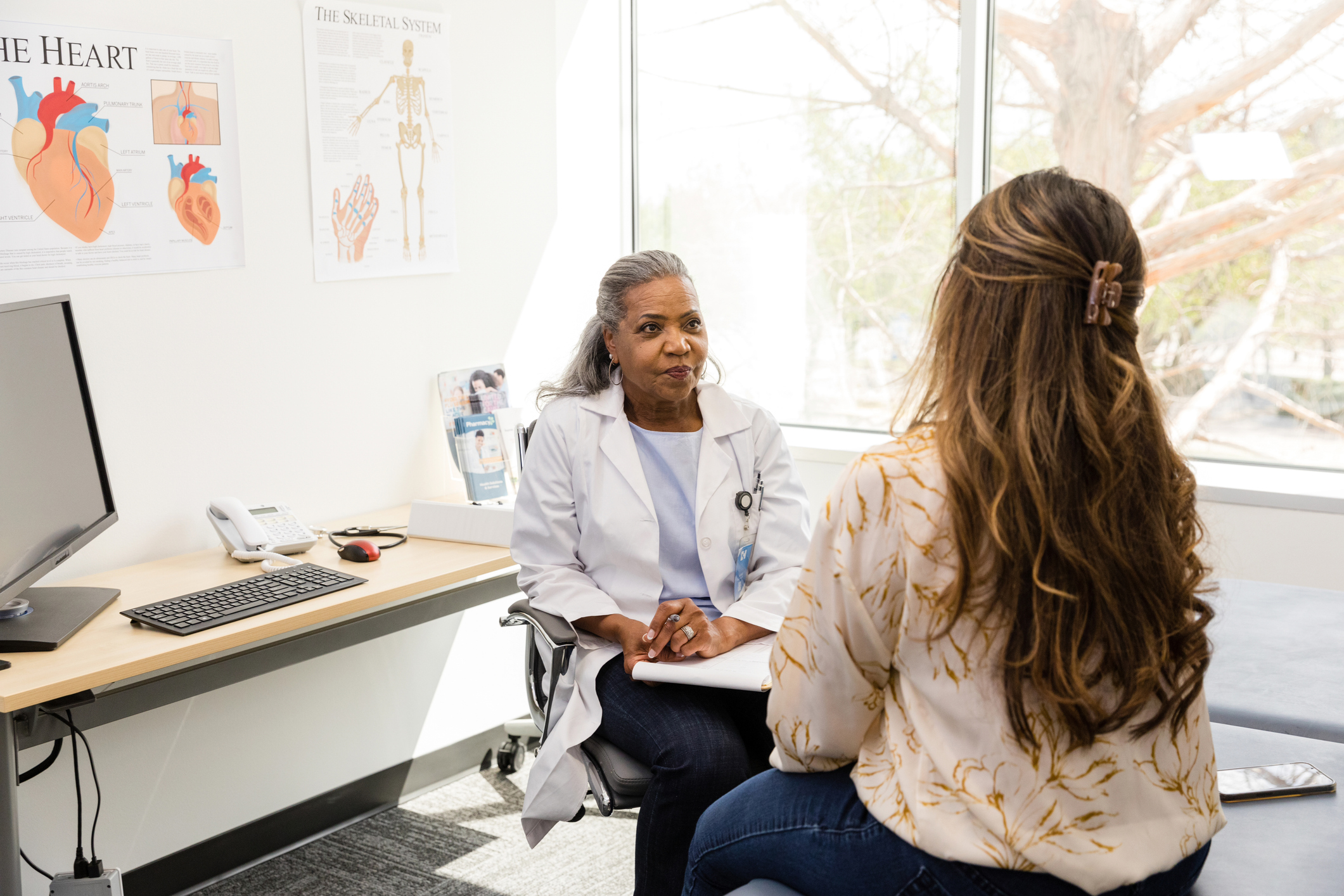
Heart disease remains the leading cause of death for women in the United States, yet it is often called a "silent killer" due to its frequently atypical presentation. While chest pain is the well-known symptom of a heart attack, women often experience a range of other, less obvious symptoms that can lead to delayed diagnosis or misdiagnosis. Dr. Stephanie Koh, an interventional cardiologist with St. Luke’s Health - Sugar Land Hospital and Baylor College of Medicine, has a particular interest in women's cardiovascular health, recognizing these unique challenges. She emphasizes that "women, in particular, often present with different symptoms compared to men."
Divergent Symptoms: Beyond the "Hollywood Heart Attack"
The classic image of a heart attack usually involves crushing chest pain radiating down the left arm. While women can experience this, they are more likely to have other, more subtle symptoms that can be easily dismissed. Dr. Koh notes, "Symptoms for women tend to be more vague and less direct than the 'textbook' presentation for men."
Common heart attack symptoms in women, in addition to or instead of chest pain, can include:
Shortness of breath: This can occur with or without chest discomfort.
Nausea or vomiting: Frequent gastrointestinal symptoms.
Unusual fatigue or weakness: Feeling unusually tired, even after rest, or experiencing sudden, severe weakness.
Pain in the jaw, neck, back, or arms: While men typically experience pain in the left arm, women might feel discomfort in both arms, the back, neck, or jaw.
Lightheadedness or dizziness: Feeling faint or dizzy.
Stomach pain or discomfort: Often described as indigestion or heartburn.
Dr. Koh highlights that these "nonspecific symptoms" mean health care providers "must remain vigilant and pay close attention to what patients are feeling."
Diagnostic Challenges: The "Ms. Diagnosed" Phenomenon
The divergent and often vague nature of women's heart attack symptoms poses significant diagnostic challenges. Studies show that women are more likely to be misdiagnosed or experience delays in diagnosis. Research indicates women under 55 are seven times more likely than men to be sent home from the emergency room without proper cardiac testing. Historically, much of the research on heart disease focused primarily on men, leading to a gap in understanding female presentation. This can result in symptoms being attributed to anxiety, stress, or other non-cardiac issues, leading to worse health outcomes due to delayed treatment.
Pregnancy and Heart Health: A Unique Landscape
Pregnancy places additional stress on a woman's cardiovascular system, making it a crucial time to monitor heart health. Dr. Koh observes, "I see quite a few pregnant females, too, and for them, the concerns are often not heart attacks, but rather arrhythmias and other cardiac conditions." Palpitations and arrhythmias are common during pregnancy, and while many are benign, some can be serious.
Managing heart conditions during pregnancy can be complex due to concerns about the baby's well-being. "We often face limitations," Dr. Koh explains, "as we must avoid medications that could harm the baby." This necessitates careful monitoring and collaboration between cardiologists and obstetricians.
Prevention is Key: Know Your Risk Factors
Even without "classic" symptoms, being aware of personal risk factors and family history is paramount. Dr. Koh regularly sees "patients for preventive consultations, especially those with risk factors or concerns due to family members experiencing early heart attack or stroke." While risk factors like high blood pressure, high cholesterol, diabetes, and smoking affect both genders, some, such as certain pregnancy complications and autoimmune diseases, can have a greater impact on women.
Advanced screening tools are also available. Dr. Koh mentions the CT Coronary Artery Calcium Score, a non-invasive scan that detects calcified plaque in heart arteries. "Sometimes, cholesterol levels appear normal on a lipid panel, but patients, even as young as 40, show evidence of calcium, indicating a significantly higher risk of heart attack compared to a 40-year-old without such calcification," she explains.
Empowerment: Advocating for Your Heart Health
Given the unique way heart disease presents in women, it's crucial for women to be informed and empowered advocates for their own health. If something doesn't feel right, seek medical attention and clearly articulate your symptoms. If you feel your concerns are not being heard, don't hesitate to seek a second opinion or ask questions to ensure a thorough evaluation. As Dr. Babu-Narayan, cited by the British Heart Foundation, advises, "If you feel you are not being heard, do not hesitate to reiterate your concerns or ask your doctor, 'How do you know I am not experiencing a cardiac event?'" Raising awareness among women and healthcare professionals about these differences is a critical step in improving early diagnosis and treatment, ultimately saving lives.
Don't wait for a crisis to understand your heart. If you recognize any of these symptoms or have concerns about your heart health, speak to your doctor, or find a cardiologist today.
Facilities and providers


For employees and providers
About CommonSpirit
- Our story
- Our leaders
- Investor resources
- News
- Health blog
- Careers We're hiring!