
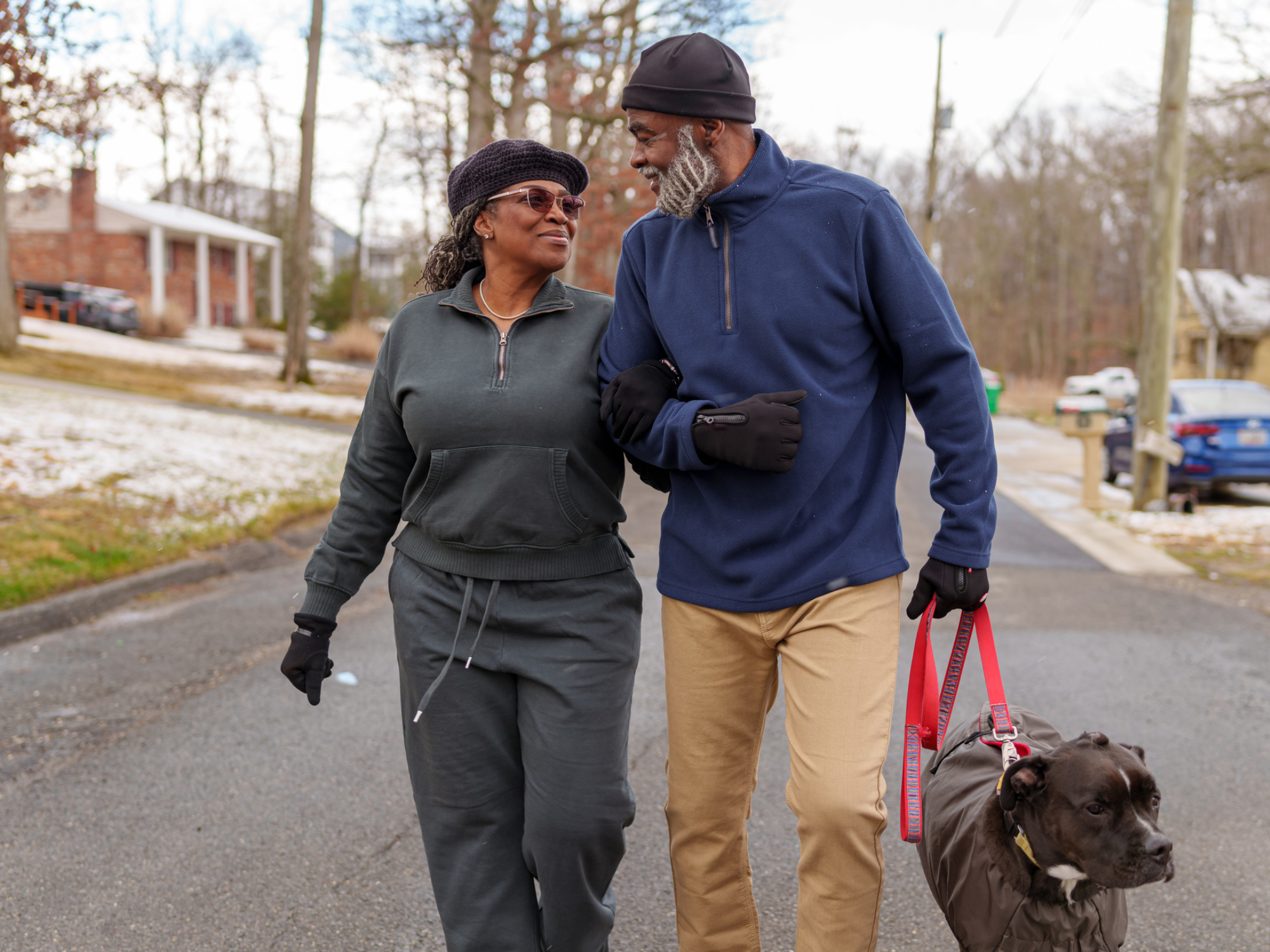
The common advice for a healthy heart—"eat well and exercise"—often feels disconnected from our busy lives. When ambitious, all-at-once changes falter, frustration can set in. The good news: small, consistent adjustments make a lasting difference. We spoke with Dr. Stephanie Koh, an interventional cardiologist with St. Luke’s Health - Sugar Land Hospital and Baylor College of Medicine, for her practical perspective on a heart-healthy lifestyle.
Dr. Koh emphasizes integrating movement into daily routines, offering strategies that complement or extend beyond typical structured workouts. "My goal is to make physical activity achievable for everyone," she states. "For someone not regularly exercising, asking them to commit to five gym sessions a week might feel overwhelming and ultimately unsustainable." Her approach focuses on actionable, achievable steps designed to fit various lifestyles and help establish foundational habits.
Integrating Movement Into Your Day
Whether you hit the gym regularly or are just starting, Dr. Koh suggests simple ways to seamlessly increase daily activity:
Park Farther: Choose spots that require a slightly longer walk.
Take the Stairs: Utilize them whenever possible.
Short Walks After Meals: A 10-minute walk after each meal breaks up sedentary time, adding significant steps throughout the day.
Optimize Your Walks: Walking is fundamental; enhance its benefits with incline walking. "An incline, even at a slow speed, significantly increases calorie expenditure," Dr. Koh explains. It elevates heart rate more effectively, improving cardiovascular conditioning. Even a modest 2-7% incline boosts heart rate by 10% compared to flat ground. For those without a treadmill, seek natural inclines outdoors.
Building Strength for a Healthier Heart
While cardio is often prioritized, Dr. Koh highlights the critical role of strength training. "It's a misconception that a cardiologist only recommends cardio; a combination is essential," she notes. This is crucial for maintaining muscle mass and bone density, particularly as we age.
She reassures against the fear of "getting bulky," explaining significant muscle gain requires an intensive regimen. Bodyweight exercises are excellent, accessible options without needing special equipment. Squats, push-ups, and lunges are effective. Moderate resistance training improves arterial stiffness and blood pressure. Combining aerobic and strength training is considered an optimal approach for a healthier cardiovascular system.
Simple Eating: Focus on Whole Foods
Dietary advice can be overwhelming. Dr. Koh offers a simple rule of thumb: "If a food has a nutrition label, it is most likely processed." This guides consumers toward whole, unprocessed foods like vegetables, whole grains and lean proteins. Processed foods, she explains, often contribute to inflammation, negatively impacting heart health.
Instead of drastic eliminations, she advocates gradual reduction. Less frequent consumption of unhealthy foods is often more sustainable than abrupt changes.
Track Progress Incrementally
Unrealistic goals can lead to discouragement. Dr. Koh advises using smartwatches or phones to track current activity and establish a realistic baseline. "If you currently get 5,000 steps, aim for 6,000 for a few weeks, then gradually build up," she suggests. This incremental approach makes habits achievable. "You don't need to run a marathon tomorrow; just start," she says, noting patients report "significantly more energy" by implementing these practical changes.
Understanding Your Risk: CT Coronary Artery Calcium Score
Beyond lifestyle, understanding individual risk is key. Dr. Koh highlights the CT Coronary Artery Calcium Score. This non-invasive scan measures calcified plaque in coronary arteries. A zero score is normal. Calcium presence indicates increased heart attack risk, even with normal cholesterol. While a physician's order is needed, this score provides objective evidence for informed decisions about prevention, diet, exercise and potential medications.
By adopting these practical, incremental changes and utilizing screening tools, you can build a sustainable, heart-healthy lifestyle that complements any fitness level.
Schedule an Appointment
For personalized guidance on improving your everyday heart health, schedule a consultation with Dr. Stephanie Koh or find a cardiologist near you.
Facilities and providers


For employees and providers
About CommonSpirit
- Our story
- Our leaders
- Investor resources
- News
- Health blog
- Careers We're hiring!