
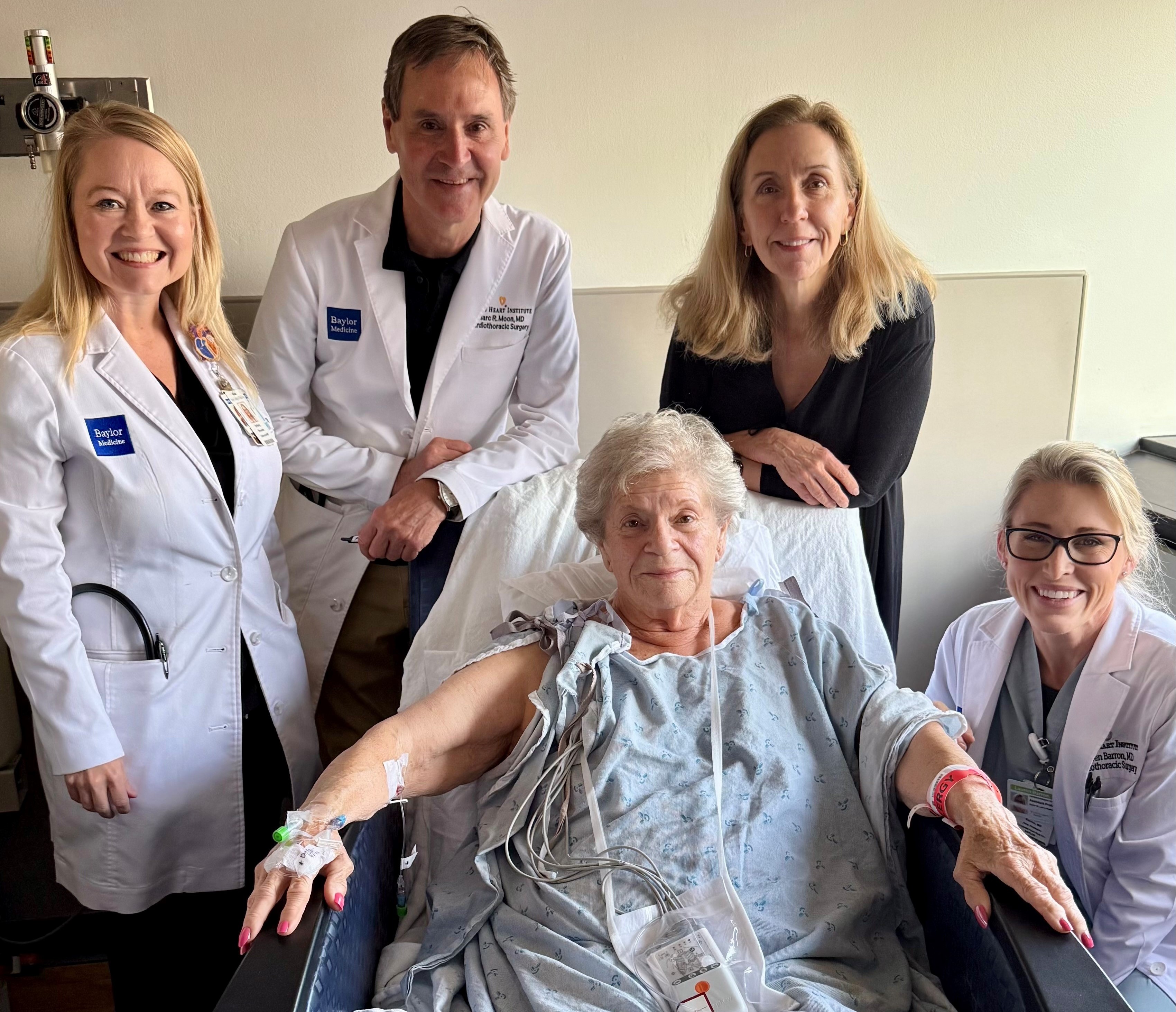
Darrell Reitz, an 85-year-old New Jersey resident, knew something was wrong when she couldn’t keep up with her dog, Boomer, during his walks. She had to sit down on a neighbor’s wall to catch her breath despite typically being able to handle the eight-block trek. Going up stairs and doing housework also left her short of breath.
Her doctor explained that her symptoms were due to narrowing of the aortic valve and that she needed an aortic valve replacement. She initially planned to have the procedure close to home, but her daughter was concerned about her mother’s alpha-gal syndrome, a tick-borne food allergy caused by a reaction to a sugar molecule called alpha-gal found in red meat and dairy.
Understanding Alpha-gal Syndrome
Alpha-gal is a sugar molecule found in the tissues of some mammals except humans and other primates. Some people have abnormal reactions to a tick bite, including their immune systems producing antibodies against the alpha-gal molecules. Later, the person can develop an allergic reaction to the alpha-gal molecule in meat or other foods that come from the mammal, such as milk.
Reitz has learned to manage the resulting severe allergy to beef, pork and lamb since her 2017 diagnosis. However, some medications and medical products are made from mammals.
Sandy Weintraub, Reitz’s daughter, started contacting medical centers about protocols for the heart procedure and felt her concerns were “falling on deaf ears.”
“This is life and death. She's had anaphylactic episodes where she, by mistake, thought she was eating turkey, but it was beef, and she's had to get immediate attention in the emergency room, like it's that serious,” Weintraub said.
In her online research, Weintraub found that Baylor St. Luke’s Medical Center in Houston had treated another heart patient with alpha-gal. She called and was impressed with the team, as was her brother, Scott, who insisted this was the best place for the procedure.
“They literally held our hands, and I just felt so reassured right after making the contact,” Weintraub said. “I knew there was no place else we were going.”
Collaborative Treatment Approach
Reitz decided to have her transcatheter aortic valve replacement (TAVR) procedure done at Baylor St. Luke’s. Her care team included cardiologists, dietitians, pharmacists, anesthesiologists and others. Before the minimally invasive procedure, she was treated with steroids and allergy medications to manage potential anaphylactic reactions, said Lauren Barron, MD, a cardiothoracic surgeon and assistant professor of surgery at Baylor College of Medicine. The valve, made from cow pericardium, was also treated to reduce an immune response.
“Her biggest risk for having a reaction to the valve is when it's first placed and the body recognizes something new that is foreign. We utilized medications to make her immune system less reactive around the time when we placed the valve,” Dr. Barron said.
Weintraub was amazed at how quickly her mom improved. Reitz needed wheelchair assistance when she arrived and left walking on her own and pulling her luggage.
Recovery and Future Care
Reitz praised her care team and appreciated how doctors explained things in terms she understood. She is back home in New Jersey, comfortably walking her dog again. She described her recovery as a miracle.
“Thank God for St. Luke’s,” she said.
Barron said that older people don’t always recognize the symptoms of valve trouble because they may think they are simply aging. She was glad that Reitz had “someone who advocated for her to actually get treatment for aortic stenosis.”
Because Reitz came to Baylor St. Luke’s, the hospital is learning more about treating people with alpha-gal syndrome, Dr. Barron said.
“Every time our hospital takes care of a patient like this, we become more familiar, and our hospital knows what to do,” she said. “More people know what to do, and it makes it safer.”
Find a provider near you and take the next step in your care. Use our Find a Doctor tool to search by specialty, location or condition.
Facilities and providers


For employees and providers
About CommonSpirit
- Our story
- Our leaders
- Investor resources
- News
- Health blog
- Careers We're hiring!