
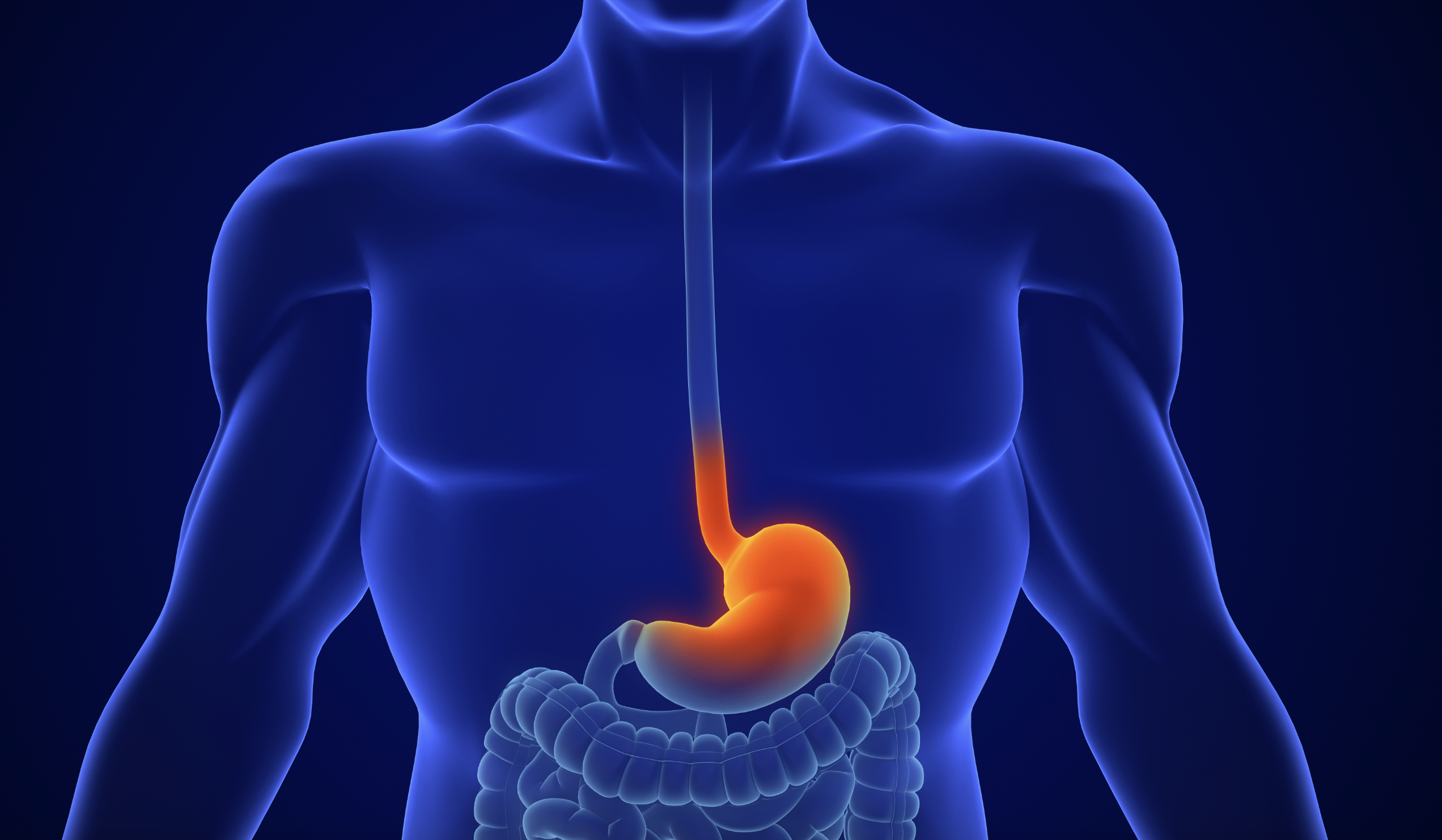
Occasional heartburn after a spicy meal or high caffeine intake is something most of us have experienced. It's an uncomfortable burning sensation in your chest, often rising into your throat. But what if "occasional" becomes "daily"? What if that burning sensation is a constant companion, despite lifestyle changes or over-the-counter remedies?
For many, persistent heartburn isn't just about what you eat; it could be a sign of an underlying anatomical issue: a hiatal hernia.
Understanding Persistent Heartburn
Most people associate heartburn purely with acid reflux (GERD). While acid plays a role, our stomach is naturally designed to handle acid. The real problem often lies in the body's natural anti-reflux mechanisms failing.
"One reason people may have severe or more persistent acid reflux is actually due to an anatomical issue having to do with the orientation of the stomach and how it attaches to the esophagus," explains Dr. Kalpesh Patel, a leading gastroenterologist at St. Luke's Health Sugar Land Hospital. "The body naturally is designed to kind of have its own anti-acid reflux mechanism, but this is what fails in patients who have daily or severe symptoms."
What Exactly is a Hiatal Hernia?
A hiatal hernia occurs when the upper part of your stomach pushes up through a small opening in your diaphragm – the muscle that separates your chest from your abdomen. This opening, called the hiatus, is where your esophagus normally passes through to connect to your stomach.
When a hiatal hernia forms, it can prevent the effective closing of the valve (lower esophageal sphincter) that normally keeps stomach acid where it belongs. This allows acid and sometimes even food to reflux back into the esophagus, causing that familiar burning sensation – persistent heartburn.
Diagnosing "Hidden" Hiatal Hernia
Many people with hiatal hernias don't even know they have one, especially if it's small. However, if you're experiencing consistent, severe, or daily heartburn, especially if accompanied by other symptoms like difficulty swallowing, regurgitation, or chronic cough, a hiatal hernia could be the culprit.
Often, when medication provides symptom relief, doctors prescribe the medications for years. But long-term medication could suggest there’s an underlying issue that needs to be addressed.
"We don't just say everyone just has heartburn and move on," Dr. Patel states. "We do more diagnostic testing that personalizes every patient's heartburn in terms of its severity and whether they have a hiatal hernia."
This diagnostic process may include:
Endoscopy: A procedure done under sedation where a thin, flexible tube with a camera is used to visualize your esophagus, stomach and duodenum, allowing the doctor to see if a hiatal hernia is present or other issues are contributing to your symptoms.
pH Testing: This measures the amount of acid reflux you're experiencing, providing objective data beyond just your symptoms.
Motility Studies: These test how well your esophageal muscles are working to move food down.
"Sometimes patients may have more severe reflux than they realize, or vice versa–what they're feeling turns out is not acid reflux," Dr. Patel explains. Proper testing ensures the right diagnosis and, therefore, the right treatment.
Moving Beyond Symptom Management
Once a hiatal hernia is diagnosed as the cause of your persistent GERD, it’s time for a solution that works. This can include advanced, restorative procedures that repair the hernia and reinforce the body's natural anti-reflux barrier, such as the combined surgical approach offered at St. Luke's Health - Sugar Land. This team-based approach, called cTIF (concomitant hiatal hernia repair and transoral incisionless fundoplication) combines hernia repair with endoscopic repair and offers a comprehensive fix that addresses both the anatomical issue and the reflux.
Don't let continuous heartburn define your life. If you're tired of guessing or just managing symptoms, it's time to find out if a hidden hiatal hernia is the root cause of your discomfort. A proper diagnosis can open the door to a lasting solution.
Ready to find out the true cause of your heartburn? Contact the General & Bariatric Surgery Clinic at Baylor St. Luke's Medical Group in Sugar Land, Texas, at (281) 637-9000 or find a doctor near you to schedule a consultation with our experienced gastroenterology and surgical team.
Facilities and providers


For employees and providers
About CommonSpirit
- Our story
- Our leaders
- Investor resources
- News
- Health blog
- Careers We're hiring!