
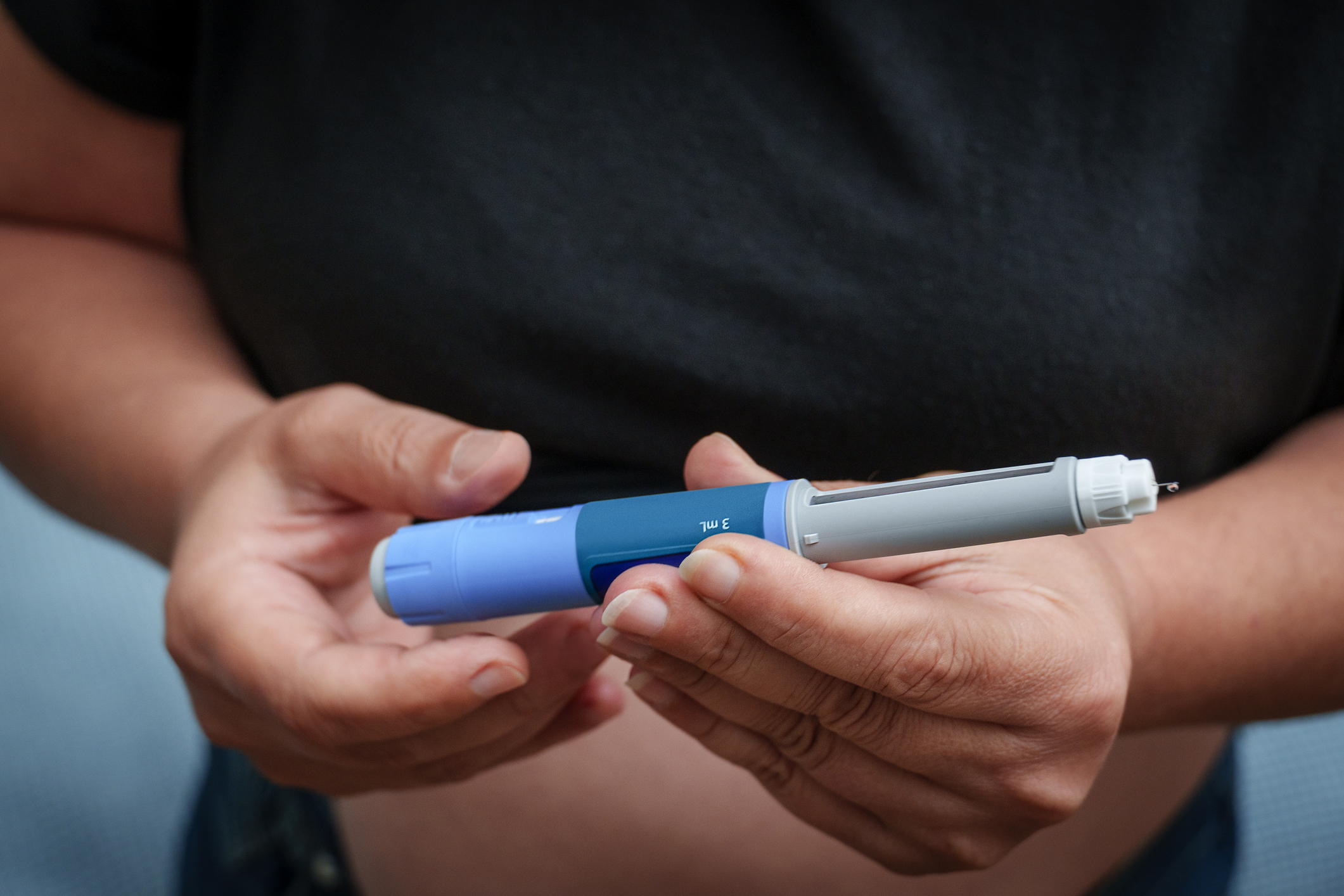
You've likely heard of GLP-1 medications – powerful drugs like Ozempic, Wegovy, and Mounjaro – making waves in the world of weight management and diabetes care.
They're incredibly effective, helping many achieve significant health improvements. But like any medication, it's essential to understand potential side effects. One area that's generated some discussion is the link between GLP-1s and gallbladder issues.
"While GLP-1 medications offer significant benefits for many patients managing diabetes and obesity, it's vital that we as clinicians transparently discuss the potential for gallbladder complications," says Dr. Jantzen Thorns, General Surgeon at St. Luke’s Health-The Vintage Hospital. "Knowing the symptoms and having a clear action plan, which often involves collaboration between primary care, gastroenterology, and general surgery, ensures patients can achieve their health goals safely and effectively address any concerns that may arise."
So, let's break down what you, as a consumer, need to know about GLP-1s and your gallbladder, and most importantly, who to turn to if you experience any concerns.
What are GLP-1s and How Do They Work?
GLP-1 stands for Glucagon-Like Peptide-1 receptor agonists. These medications mimic a natural hormone in your body that helps regulate blood sugar, slow down stomach emptying, and reduce appetite. This combination leads to better glycemic control for those with type 2 diabetes and significant weight loss for individuals struggling with obesity.
The Gallbladder Connection: Why the Concern?
The gallbladder is a small, pear-shaped organ tucked beneath your liver. Its main job is to store and concentrate bile, a digestive fluid produced by the liver that helps break down fats in your small intestine.
Research has shown a potential link between the use of GLP-1 medications and an increased risk of gallbladder issues, primarily:
- Gallstones: These are hardened deposits of digestive fluid that can form in your gallbladder. While many people have gallstones and never experience symptoms, they can cause significant pain and complications.
- Cholecystitis: This is an inflammation of the gallbladder, often caused by a gallstone blocking the bile duct. It can be very painful and require urgent medical attention.
Why might GLP-1s be linked to these issues?
While the exact mechanisms are still being fully understood, several theories exist:
- Rapid Weight Loss: One of the most significant factors linked to gallstone formation is rapid weight loss. GLP-1s are highly effective at promoting weight loss, and this rapid reduction in body fat can alter bile composition, making gallstones more likely to form.
- Altered Bile Composition: Some studies suggest that GLP-1s might directly influence the composition of bile, making it more prone to forming stone-like crystals.
- Delayed Gastric Emptying: While beneficial for appetite control, the slower emptying of the stomach (a key effect of GLP-1s) could potentially impact bile flow and increase the risk of gallstone formation.
It's important to emphasize: Not everyone taking a GLP-1 will develop gallbladder problems. The risk is elevated compared to those not on the medication, but it's not a guarantee.
What are the Symptoms of Gallbladder Problems?
If you're taking a GLP-1 medication and experience any of the following, it's crucial to seek medical attention promptly:
- Sudden and intensifying pain in the upper right abdomen or center of your abdomen. This pain might radiate to your right shoulder or back.
- Pain that lasts for several hours.
- Nausea and vomiting.
- Fever and chills.
- Yellowing of your skin or the whites of your eyes (jaundice).
- Dark urine or light-colored stools.
Don't Panic, But Be Prepared and Proactive!
While the potential for gallbladder issues might sound concerning, it shouldn't deter you from considering GLP-1s if they are recommended by your healthcare provider. The benefits for many outweigh the risks, especially when those risks are understood and managed.
Here's what you can do:
Talk to Your Doctor Before Starting GLP-1s: Discuss your medical history, including any prior gallbladder issues. Your doctor can assess your individual risk factors.
Be Aware of the Symptoms: Know what to look for and don't hesitate to contact your healthcare provider if you experience any signs of gallbladder trouble.
Maintain a Healthy Lifestyle: Continue to prioritize a balanced diet and regular exercise, which are beneficial for overall health and can support gallbladder function.
Who Can Help? Your GI and General Surgeons are Key!
If you develop symptoms suggestive of gallbladder problems while on a GLP-1, or at any time for that matter, you have two incredibly important specialists in your corner:
- Gastroenterologists (GIs): These are medical doctors who specialize in the digestive system, including the esophagus, stomach, intestines, liver, and, yes, the gallbladder. A GI can conduct diagnostic tests (like ultrasounds) to confirm gallstones or inflammation, and they can manage non-surgical treatments for gallbladder conditions. They'll be crucial in your initial diagnosis and guiding your care.
- General Surgeons: If surgery is required – and for symptomatic gallstones or cholecystitis, it often is – a general surgeon is the expert you'll need. They are highly skilled in performing cholecystectomies (gallbladder removal), often done using minimally invasive laparoscopic techniques. This is a very common and safe procedure that effectively resolves most gallbladder issues.
The takeaway? Don't let fear prevent you from pursuing your health goals with medications like GLP-1s if they're right for you. Instead, empower yourself with knowledge and know who to turn to if questions or concerns arise. Your primary care physician, a gastroenterologist, and a general surgeon form a powerful team dedicated to your digestive health and overall well-being. By being proactive and communicating openly with your medical team, you can navigate your health journey confidently.
Facilities and providers


For employees and providers
About CommonSpirit
- Our story
- Our leaders
- Investor resources
- News
- Health blog
- Careers We're hiring!