

Every time you visit your doctor or step into a pharmacy, you're likely to have your blood pressure checked. It's such a common ritual that we might take it for granted. But what secrets do those two numbers hold about your well-being? And why is this measurement so profoundly important to your overall health journey?
At Dignity Health, we believe in providing compassionate, quality care that helps you understand your body and live a healthier life. Let's explore the vital story your blood pressure tells.
What is Blood Pressure? A Gentle Explanation
Imagine your heart as a tireless pump, working day in and day out to send life-giving blood to every cell in your body. This blood travels through a vast network of vessels, much like peaceful rivers flowing through the land. Blood pressure is simply the gentle — yet powerful — force of this flowing blood against the inner walls of your arteries.
When you get your blood pressure measured, you see two numbers, like 120 over 80 (written as 120/80 mm Hg). These numbers tell us different things about your heart's rhythm:
The Top Number: Systolic Pressure
This is the pressure measured when your heart contracts and pushes blood out. It's the moment of strong, caring action.
The Bottom Number: Diastolic Pressure
This is the pressure when your heart rests and refills with blood between beats. It's the precious moment of quiet restoration.
Together, these numbers paint a picture of how effectively and smoothly your circulatory system is working. A healthy, normal blood pressure reading, according to the American Heart Association, is generally less than 120/80 mm Hg.
When Pressure Builds: Understanding High Blood Pressure (Hypertension)
It’s natural for your blood pressure to shift throughout the day – perhaps rising a little when you're active or feeling inspired, and lowering when you're at peace. However, if your blood pressure consistently stays too high, it's known as high blood pressure, or hypertension.
This means your blood is pressing on your arteries with too much force, causing them to work harder than they should. For many, hypertension shows no outward signs, making it a "silent" concern. Yet, over time, this constant strain can gently, but persistently, damage your blood vessels and vital organs.
This increases your risk of serious health challenges, including:
Heart attack
Vision impairment
Memory and cognitive difficulties
What might indicate high blood pressure? While only your doctor can determine a diagnosis, readings consistently 130/80 mm Hg or higher often point to hypertension.
What can influence it? While the exact cause isn't always clear, several factors are linked:
Aging gracefully: Our bodies change over time.
Lifestyle choices: A diet high in sodium, excessive alcohol, being overweight, or not being physically active.
God-given heritage: A family history of hypertension.
Demographic considerations: Black adults and men are sometimes at higher risk.
The good news is that high blood pressure is a condition we can often manage with care and commitment! Embracing healthy lifestyle changes, such as a heart-healthy diet, regular exercise, and stress management are foundational. Your doctor might also recommend medication to help you reach your blood pressure goals.
The Gentle Dip: Understanding Low Blood Pressure (Hypotension)
On the other side of the spectrum, blood pressure can also be too low, or hypotensive. For some individuals, low blood pressure is their healthy norm, reflecting a strong and efficient heart.
However, a sudden or significant drop can sometimes be troublesome. This might occur if you:
Stand up too quickly
Stand for extended periods
Are dehydrated
Experience certain infections or chronic conditions
Are taking specific medications
Signs that your blood pressure might be too low:
Dizziness or lightheadedness
Blurred vision
Unusual fatigue
Skin that feels cold and clammy
Nausea
While mild episodes might just require resting with your feet elevated, severe or frequent hypotension can be dangerous, especially for older adults where it can be a leading cause of falls. In extreme cases, it can lead to shock, requiring immediate emergency care. If you're often experiencing these symptoms, it's vital to consult your doctor.
Taking Charge: Measuring Your Blood Pressure at Home
Monitoring your blood pressure from the comfort of your home can provide invaluable insights for you and your care team. It offers a more consistent picture, away from the potential anxieties of a clinic visit.
Tips for reliable At-Home Measurement:
Get a good device: Ask your doctor for recommendations on an accurate, automatic cuff.
Timing is key: Measure at the same time every day (e.g., morning and evening).
Prepare yourself: Avoid caffeine, exercise, and smoking for 30 minutes before. Use the restroom. Sit quietly for 5 minutes.
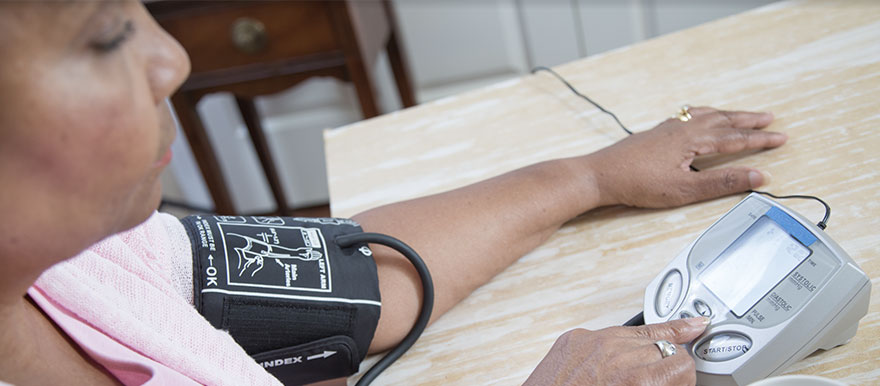
Position perfectly: Sit with your back supported and feet flat on the floor. Rest your arm on a table so the cuff is at heart level. Place the cuff directly on your bare arm.
Take multiple readings: Take 2-3 readings, a minute apart, and record the average.
Track your progress: Keep a log or use an app to share your readings with your doctor. This data is invaluable!
It’s important to remember that many things can cause momentary blood pressure changes – a little stress, physical activity, or even certain medications. What we're looking for is a consistent pattern over time.
Your Numbers, Your Well-being: A Path Forward
Your blood pressure is a dynamic indicator of your health, not a one-time snapshot. Understanding what your numbers mean empowers you to work with your doctor on a personalized plan for a healthier future.
At Dignity Health, we are dedicated to helping you live a life of vibrant well-being. Knowing your blood pressure and actively managing it is a cornerstone of this journey. Together, let's ensure your heart's story is one of strength, health, and peace.
Search for cardiologists near you and schedule your next appointment today.
Facilities and providers


For employees and providers
About CommonSpirit
- Our story
- Our leaders
- Investor resources
- News
- Health blog
- Careers We're hiring!