
By Shawn Stevenson, MD, Chief of Foregut and Bariatric Surgery, Dignity Health Arizona
One of the questions I hear often from patients is whether GLP-1 medications can cause gallbladder problems.
It’s a reasonable question. Medications such as semaglutide and tirzepatide have become important tools in the treatment of obesity, and for many patients, they can lead to significant weight loss and improvements in overall health. At the same time, we know there is an association between GLP-1 medications and an increased risk of gallstones and other gallbladder problems.
What I tell patients is that the relationship is not quite as simple as saying the medication caused it.
Rapid or substantial weight loss increases the risk of gallstones, whether that weight loss comes from medication, bariatric surgery or another approach. Knowing which symptoms to watch for helps determine when to evaluate abdominal pain.
Can GLP-1 Medications Cause Gallbladder Problems?
Research finds that people taking GLP-1 medications have a higher risk of gallbladder and biliary disease, including gallstones and inflammation of the gallbladder.
That risk appears to be greater when these medications are used for weight loss, at higher doses and for longer periods of time.
Several likely contribute to that risk. GLP-1 medications affect the digestive system, and they may influence how the gallbladder functions. However, significant weight loss is part of the picture as well.
That distinction matters.
If someone develops gallstones while losing a substantial amount of weight on a GLP-1 medication, I would not automatically assume the medication alone is responsible. We have known for many years that rapid weight loss itself can increase the risk of gallstone formation.
Why Can Weight Loss Increase the Risk of Gallstones?
The gallbladder is a small organ that stores bile, which helps the body digest fat.
When a person loses weight quickly, changes can occur in the composition of bile and in how the gallbladder empties. Those changes can make it easier for gallstones to form.
I think this is an important point because patients sometimes assume that any abdominal discomfort they experience while taking a GLP-1 is a medication side effect.
Sometimes it may be.
But recurring pain, especially in a specific area of the abdomen, deserves more attention.
What Does Gallbladder Pain Feel Like?
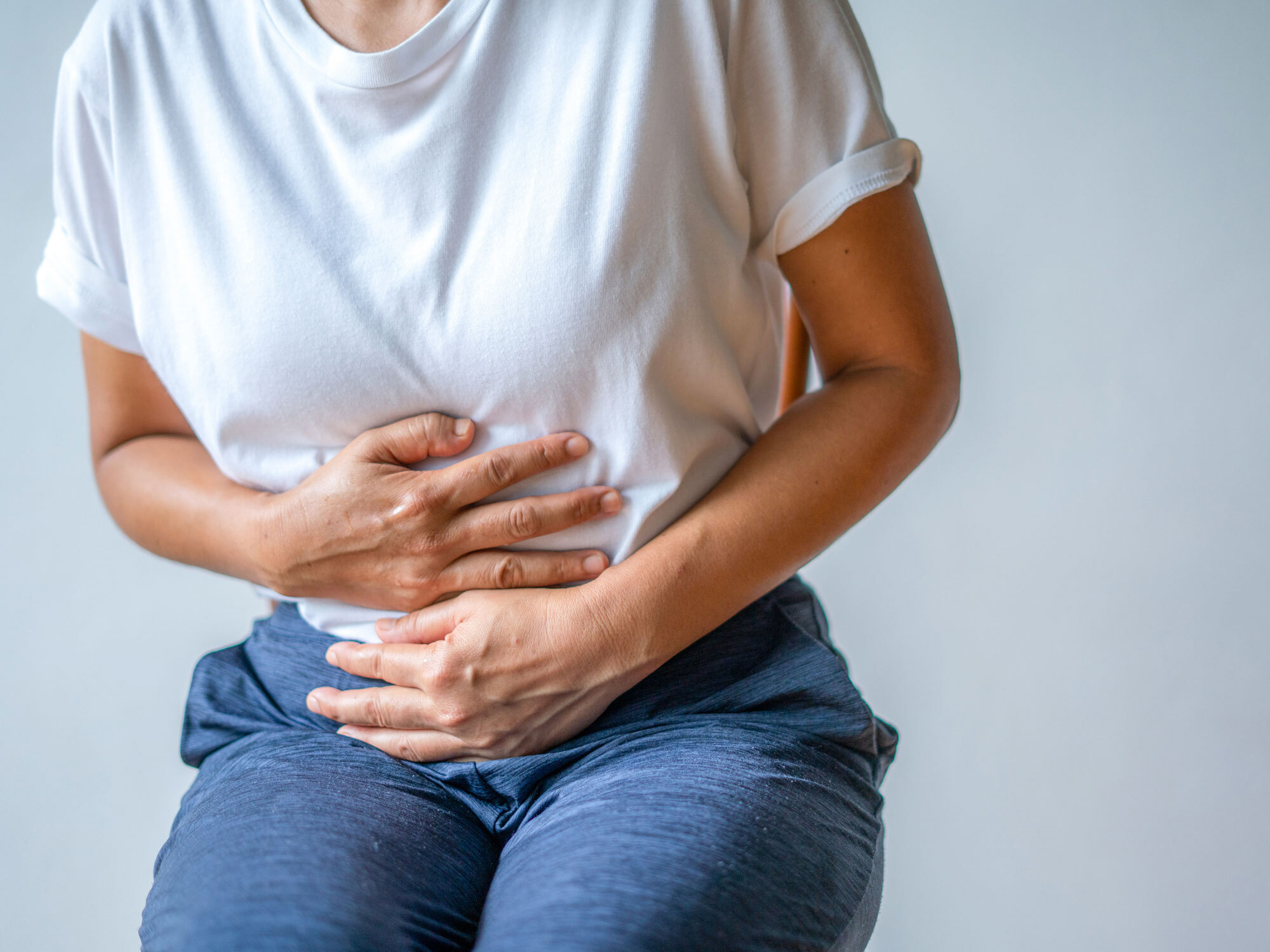
The classic symptom of a gallbladder problem is pain in the upper right portion of the abdomen.
Patients can experience it differently, though. The pain may:
Occur in the upper right or upper middle abdomen
Travel toward the back or right shoulder
Begin after eating, particularly after a heavier or higher-fat meal
Last from several minutes to a few hours
Be accompanied by nausea or vomiting
Come and go rather than remain constant
Some patients describe pressure or aching. Others experience much more intense pain.
Do not repeatedly dismiss that pain as indigestion, something they ate or simply part of taking a GLP-1 medication.
If it keeps happening, it is worth discussing with your healthcare provider.
When Should Abdominal Pain be Evaluated?
Persistent, significant or recurring abdominal pain requires evaluation, particularly if it is concentrated in the upper right portion of the abdomen.
There are also symptoms that should prompt more immediate medical attention, including:
Abdominal pain that lasts for several hours
Severe or worsening pain
Repeated vomiting
Fever or chills
Yellowing of the skin or eyes
Dark urine
Unusually light-colored stools
These symptoms can occur when there is inflammation, infection or blockage involving the gallbladder or bile ducts.
They can also occur with other medical conditions. That is another reason I would caution patients against trying to diagnose themselves based on symptoms alone.
Does Having Gallstones Mean I Need Surgery?
No. A lot of people have gallstones and never know it. We call these “silent” gallstones, and if they are not causing symptoms or complications, treatment may not be necessary.
The conversation changes when someone is having repeated gallbladder attacks, inflammation, infection or obstruction.
When gallstones are causing symptoms, removal of the gallbladder — called a cholecystectomy — is a common treatment. In many cases, this can be done using minimally invasive surgery.
Whether surgery is appropriate depends on the patient, the symptoms and what we find during the evaluation.
I would never tell someone that the presence of gallstones automatically means they need an operation. The decision is based much more on whether those stones are causing problems.
Should I Stop Taking my GLP-1 Medication if I Have Abdominal Pain?
I would not recommend stopping or changing medication on your own.
Abdominal discomfort can occur for many reasons, and gastrointestinal symptoms are relatively common with GLP-1 medications. But abdominal pain can also signal something that needs medical attention.
If you develop significant, recurring or persistent abdominal pain, contact the clinician who is managing your medication and describe what you are experiencing.
This is also where I think perspective is important.
I do not want patients to read about gallbladder risk and become afraid of GLP-1 medications. These drugs can be very effective treatments for the right patient.
Knowing about a possible complication does not mean patients should avoid an effective treatment. It means we should recognize the signs of a problem if one develops.
How Are Gallbladder Problems Diagnosed?
The evaluation usually starts with a conversation about your symptoms and medical history, followed by a physical examination.
Blood tests may be used to look for signs of infection, inflammation or problems involving the liver or pancreas. An abdominal ultrasound is commonly used to look for gallstones and signs of gallbladder inflammation.
Treatment depends on what we find and how much trouble the gallbladder is actually causing.
What Should Patients Taking GLP-1 Medications Remember?
The biggest takeaway is simple: pay attention to what your body is telling you.
If you are taking a GLP-1 medication and doing well, there is no reason to assume you are going to develop gallbladder disease.
But if you begin having repeated pain in the upper abdomen — particularly on the right side — don't automatically write it off as indigestion or an expected side effect of weight loss.
Bring it up with your healthcare provider.
Medical teams have more tools than ever before to help people treat obesity. GLP-1 medications are one of those tools. Bariatric surgery is another. Nutrition, physical activity and other medical treatments remain important as well.
These are not competing approaches.
Do GLP-1 Medications Increase the Risk of Gallstones?
Research has found an association between GLP-1 medications and an increased risk of gallstones and other gallbladder or biliary conditions. Rapid or substantial weight loss itself can also increase the risk of gallstone formation.
What are the Symptoms of Gallbladder Problems While Taking a GLP-1?
Gallbladder problems can cause pain in the upper right or upper middle abdomen, sometimes accompanied by nausea or vomiting. Persistent pain, fever, jaundice or repeated vomiting should be evaluated promptly.
Can Losing Weight Quickly Cause Gallstones?
Yes. Rapid or substantial weight loss is a known risk factor for developing gallstones. This can occur with weight loss resulting from medication, bariatric surgery or other methods.
Do Gallstones Always Require Surgery?
No. Gallstones that do not cause symptoms often do not require treatment. Surgery may be considered when gallstones cause repeated pain, inflammation, infection or obstruction.
Should I Stop Taking a GLP-1 Medication if I Think I Have Gallstones?
Do not stop or change a prescribed medication without talking with the clinician managing your treatment. Significant or persistent abdominal pain should be medically evaluated.
Next Steps for Your Care
The right treatment depends on the individual patient, and sometimes different tools make sense at different points in that patient's care.
Whatever approach we use, the goal is the same: help the patient improve their health while making sure the treatment remains safe, effective and appropriate for them.
Learn more about our bariatric team or schedule a consultation with Dr. Stevenson by calling (602) 582-5233.
Facilities and providers


For employees and providers
About CommonSpirit
- Our story
- Our leaders
- Investor resources
- News
- Health blog
- Careers We're hiring!