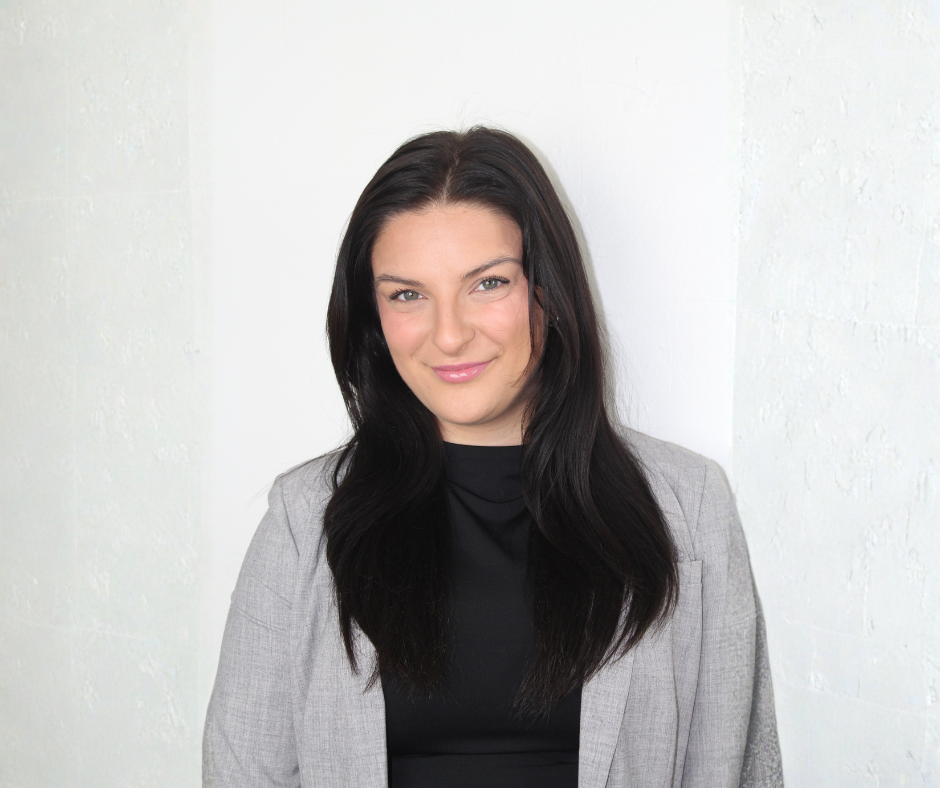
“Endometriosis is one of the most underdiagnosed conditions in medicine. I feel their pain because I have literally felt their pain.”Dr. Shanda H. Blackmon, Thoracic Surgeon at Baylor St. Luke’s.
Hannah LaChapelle knew she had endometriosis, but the chronic shoulder pain she endured for 15 years remained a mystery – unresolved by numerous physicians until she arrived at Baylor St Luke's Medical Center in Houston.
"I always knew when my period was coming because my shoulder would start to hurt,” explained Hannah, a 29-year-old tech manager from Houston. She is one of the 10 million women in the U.S. who suffer from endometriosis, a condition where uterine tissue grows outside the uterus. This can cause painful symptoms during the menstrual cycle, and may lead to infertility, chronic pain and immune dysfunction
"My doctor at the time prescribed birth control to manage severe irregular bleeding that led to anemia,” Hannah recalled. However, this did not alleviate the persistent shoulder pain she experienced for over two weeks each month. The pain was so intense that Hannah was regularly taking 1200 milligrams of Ibuprofen for more than 14 days monthly. Despite consulting a gynecologist and an orthopedic specialist, the cause remained undiagnosed. Even treatments like dry needling and Pilates provided no relief.
AI Points the Way to an Expert and Diagnosis
In a moment of desperation, Hannah entered her symptoms into Chat GPT. The AI program suggested thoracic endometriosis and recommended she consult Baylor St. Luke's, home to one of the country’s foremost endometriosis experts: Thoracic Surgeon Shanda H. Blackmon, MD, MPH, FACS, Executive Director of the Baylor College of Medicine Lung Institute.
Dr. Blackmon diagnosed Hannah with thoracic endometriosis. Uterine tissue was growing inside her diaphragm, putting pressure on the phrenic nerve, which runs all the way up to the shoulder. The pain was rated “severe” based on a classification system Dr. Blackmon developed with the Baylor College of Medicine Lung Institute.
A Doctor Who Understands
Personal experience drives Dr. Blackmon's renowned clinical and research expertise. “I also suffered from endometriosis my whole life and had infertility from endometriosis. “I've had two surgeries myself,” Dr. Blackmon said. “Endometriosis is one of the most underdiagnosed conditions in medicine. I feel their pain because I have literally felt their pain,” she said.
Minimally Invasive Surgery Brings Relief
During a three-hour, minimally invasive, single-incision robotic surgery, Dr. Blackmon removed the tissue by accessing the diaphragm from underneath the ribs, leading to a faster, less painful recovery.
The next day, Hannah's shoulder pain was gone.
After suffering for 15 years, Hannah was amazed at how her seemingly chronic issue was resolved at Baylor St. Luke’s in just a matter of weeks. “I was blown away at how quick and to the point it was. Now I have no issues. I can sleep on my right side again, which is exciting. To no longer have shoulder pain is huge.”
Hannah is grateful for the exceptional care she received at Baylor St. Luke’s and for artificial intelligence guiding her toward the correct diagnosis.
“But I certainly don't want ChatGPT doing my surgery,” she said. “Dr. Blackmon is a brilliant surgeon. Oh my gosh, I feel so lucky to have had her as my doctor.”
Symptoms of Thoracic Endometriosis
Thoracic endometriosis can cause symptoms mainly in the chest and lungs. People often experience recurring chest pain, difficulty breathing, coughing and sometimes even cough up blood, particularly around their period. They might also feel sharp chest pain when they breathe, or have a collapsed lung that happens repeatedly with their menstrual cycle. These problems usually get worse during menstruation, which is a big clue for doctors.
Your Next Step
Learn more about our advanced thoracic endometriosis treatments and book an appointment with our specialists at Baylor St. Luke’s.
Facilities and providers


For employees and providers
About CommonSpirit
- Our story
- Our leaders
- Investor resources
- News
- Health blog
- Careers We're hiring!