
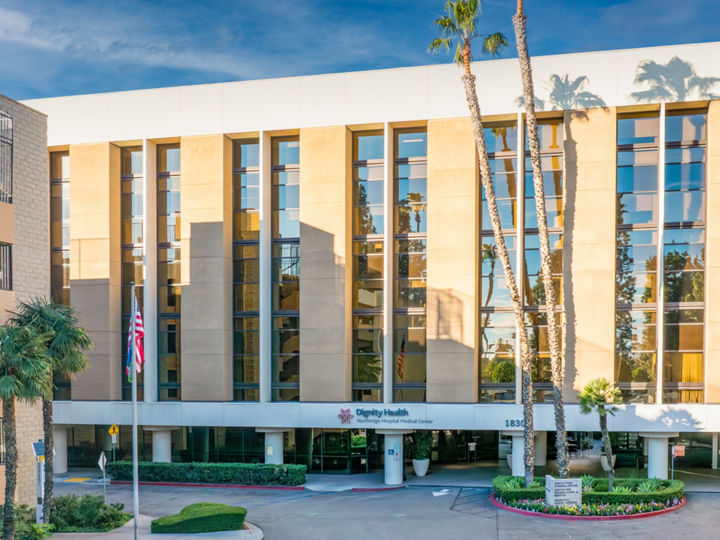

Rehabilitation Therapy - Northridge Hospital Medical Center
Northridge Hospital Medical Center provides physical therapy and rehabilitation services to Northridge and nearby communities. Our care team supports patients after major injuries or other serious health events, from burns and amputations to spinal cord injuries, traumatic brain injuries (TBIs) and stroke. We also provide rehabilitation services for conditions such as arthritis and orthopedic problems.
Our inpatient and outpatient programs offer physical therapy, occupational therapy, speech-language therapy and several specialized programs, including:
Brain injury rehabilitation
Driver preparation program to help evaluate and train people who have disabilities that may interfere with safe driving
Hand therapy
Spinal cord rehabilitation, including innovative robotics technology designed to support walking rehabilitation for some patients with spinal cord injury
Our rehabilitation specialists develop care plans based on each patient’s needs and goals. We’re committed to helping patients improve strength, function and mobility.


What we offer
-
 Advanced Neurology Rehabilitation Services
We provide personalized therapy for conditions that affect the brain, spinal cord or nerves. Rehabilitation focuses on improving your movement, thinking, quality of life and independence.
-
 Hand Therapy
We offer specialized therapy services to help improve hand movement and strength after an injury, illness or surgery.
-
 Occupational Therapy
Occupational therapists focus on helping you accomplish daily activities and improve your independence and overall quality of life. Our outpatient services also include hand therapy.


Billing and insurance
We know every journey to health and wellness is different. Whether you need cost estimates, financial assistance, help paying bills or information about accepted insurance plans, we’re here to guide you and help make the process as simple and reassuring as possible.
Frequently asked questions
Rehabilitation therapy can help patients recover strength, movement and daily function after injury, illness or surgery. At Northridge Hospital Medical Center, we provide comprehensive inpatient and outpatient therapy services, including specialized rehabilitation programs to treat spinal cord injuries, traumatic brain injuries (TBIs) and stroke. Our spinal cord program includes access to robotics technology designed to support walking rehabilitation for some patients. We also have a driver preparation program that evaluates and trains people whose disabilities may interfere with safe driving.
Depending on your needs, your services may include physical therapy, occupational therapy or speech and language therapy. We create personalized care plans and focus on helping you safely return to everyday activities and improve your overall quality of life.
Our inpatient and outpatient rehabilitation therapy team treats a wide range of conditions, such as:
Amputations
Communication disorders
Hand issues
Neurological conditions
Orthopedic problems
Trauma
We also offer specialty services to treat:
Our inpatient and outpatient programs at Northridge Hospital Medical Center provide:
Physical therapy to help improve strength and mobility
Occupational therapy to support daily activities and independence
Speech and language therapy to address communication or swallowing concerns
We have specialized rehabilitation programs to treat spinal cord injuries, traumatic brain injuries (TBIs) and stroke. Our spinal cord program includes access to robotics technology designed to support walking rehabilitation for some patients.
Your care team will recommend services based on your condition and recovery goals. Depending on your needs, you also have access to:
Driver preparation program to help evaluate and train people who have disabilities that may interfere with safe driving
Hand therapy
Pet therapy
Pool therapy
Psychology services
Return-to-work program
Social services
Therapeutic recreation
Wheelchair sports
Rehabilitation therapy can help people of all ages who are recovering from surgery, injury, illness or a hospital stay. It also supports individuals managing chronic conditions that affect movement, balance, speech or daily tasks. Therapy focuses on helping patients rebuild strength and confidence, safely return to everyday activities and improve overall quality of life.
The inpatient and outpatient therapy programs at Northridge Hospital Medical Center provide services to help patients recovering from a wide range of conditions, from burns and amputations to spinal cord injuries, traumatic brain injuries (TBIs) and stroke. We also treat conditions such as arthritis and orthopedic problems.
You may need neurological (cognitive) rehabilitation if you have an injury or illness that impacts your brain, spinal cord or nerves. We often provide this specialized rehabilitation to help people affected by:
Balance problems (vestibular dysfunction)
Movement disorders, such as Parkinson’s disease
Other neurological diseases, such as multiple sclerosis
Understanding your personal stroke risk factors can help you make informed decisions about your health and when to seek care. Our online stroke health questionnaire guides you through a few simple questions and provides personalized insights about your potential risk factors to help inform a conversation with your health care provider about whether additional screening may be appropriate.
At your first visit, your therapist will review your medical history, current symptoms and recovery goals. A physical, occupational or speech therapist may assess strength, movement, balance or communication skills, depending on your needs. Together, you’ll develop a personalized therapy plan and discuss what to expect during future sessions. Your therapist will also share tips to support progress between visits.
Inpatient rehabilitation is provided to patients who need intensive therapy and medical support while staying at a rehabilitation center or hospital. Outpatient rehabilitation allows patients to receive therapy during scheduled visits while continuing to live at home. Your Northridge Hospital Medical Center care team will recommend the appropriate level of rehabilitation based on your condition, recovery goals and medical needs. Both options focus on helping patients regain function and independence.
The length of rehabilitation therapy depends on your condition, goals and progress. Some patients need only a few weeks of therapy, while others may benefit from longer-term care. Your therapist will regularly evaluate your progress and adjust your treatment plan as needed to help you achieve the best possible results.
Referral requirements depend on your health insurance plan and the type of therapy you need. Some plans allow direct access to rehabilitation therapy, while others require a referral from a physician. Our therapy team at Northridge Hospital Medical Center can help answer referral questions and assist with scheduling your appointment.
Many major health insurance plans cover rehabilitation therapy services such as physical therapy, occupational therapy and speech therapy. Coverage details may vary based on your plan, diagnosis and whether you receive inpatient or outpatient services. Our staff can help verify insurance coverage, explain benefits and answer questions before your first visit.
Before your visit

Save time and help reduce stress on the day of your visit. Call our admitting team at (818) 885-3546 for any questions before your visit.

Bring a photo ID, insurance card, medication list, and any relevant medical records or imaging to your visit.

Wear comfortable clothing and shoes suitable for therapy and easy movement during exercises.

We accept many health insurance plans for outpatient rehabilitation. Please confirm coverage ahead of your visit and bring any copayments.
Notice: "Find a Location" is provided by CommonSpirit Health as a convenience to you. The information on each participating location is submitted to CommonSpirit Health by each location and is not independently verified by CommonSpirit Health. Each location is solely responsible for the completeness and accuracy of the information listed about them. CommonSpirit Health is not responsible for any loss or damages caused by your reliance on the location information contained on Find a Location. You should telephone the location's office in advance to verify the accuracy of the information.


For employees and providers
About CommonSpirit
- Our story
- Our leaders
- Investor resources
- News
- Health blog
- Careers We're hiring!