


Sarvanand Heart & Brain Center - Dignity Health - Memorial Hospital
The Sarvanand Heart & Brain Center at Dignity Health – Memorial Hospital offers advanced, nationally recognized diagnostics and treatment for a wide range of heart and vascular conditions, including congenital heart defects, congestive heart failure, and heart attack. As Kern County’s only Joint Commission-certified Primary Heart Attack Center, and home to Kern County’s only cardiac intensive care unit (ICU), we have earned regional and national recognition, including:
Get With The Guidelines® Gold Plus Award for Coronary Artery Disease STEMI Receiving with Target: Type 2 Diabetes Honor Roll (American Heart Association)
Get With The Guidelines® Gold Award for Coronary Artery Disease NSTEMI with Target: Type 2 Diabetes Honor Roll (American Heart Association)
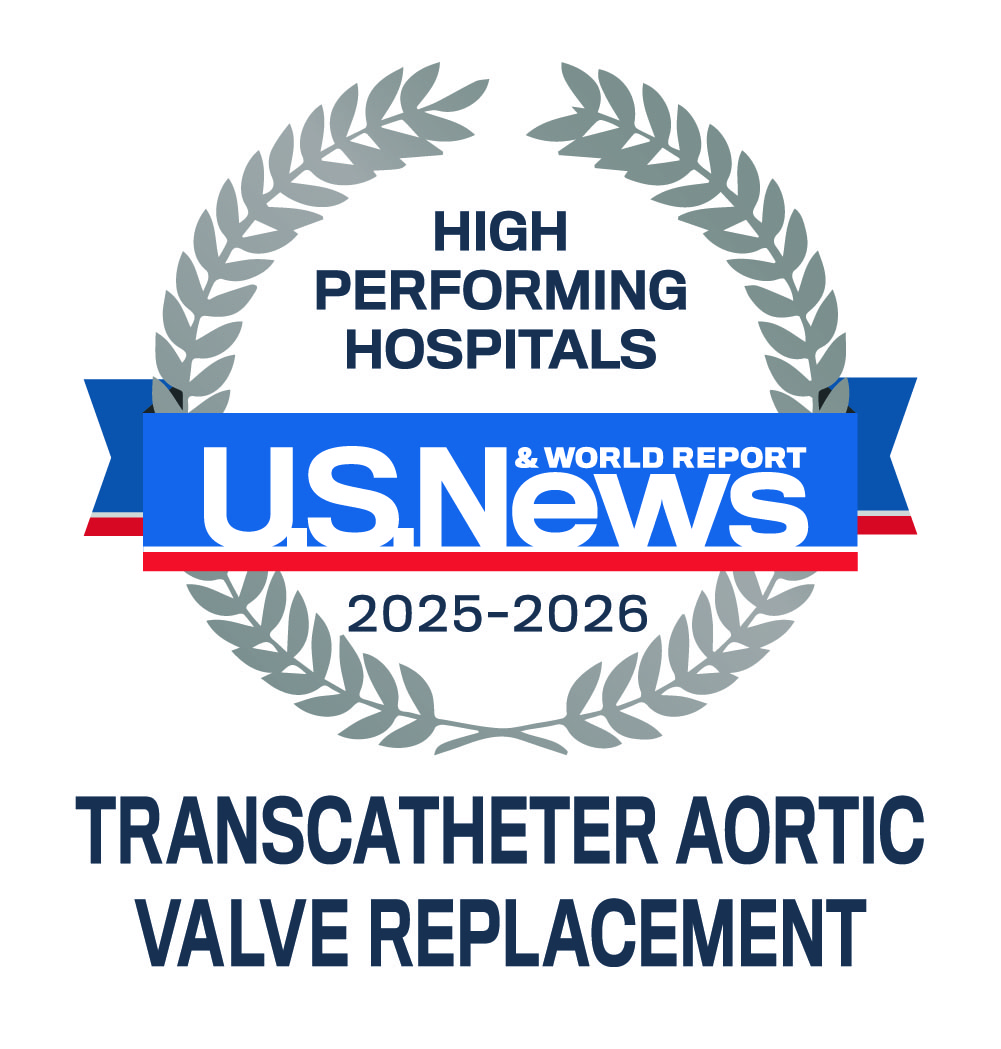
- U.S. News and World Report High Performing Hospital for Transcatheter Aortic Valve Replacement (TAVR)
Our specialists provide comprehensive heart care, including cardiac catheterization, cardiac rehabilitation and cardiothoracic surgery such as open heart surgery and coronary artery bypass surgery. We also offer electrophysiology lab services for heart rhythm disorders (arrhythmias), along with imaging and diagnostics, preventive care and telemetry services. Additionally, our structural heart team offers specialized expertise to diagnose and treat diseases or defects affecting the heart’s valves, chambers, and major vessels.


What we offer
-
 Adult Congenital Heart Disease
We care for individuals living with heart conditions present from birth, offering specialized treatment to support lifelong heart health.
-
 Advanced Heart Failure
Our heart specialists focus on improving your daily function and overall well-being through advanced heart failure care.
-
 Aortic Surgery
Aortic surgery addresses problems with the main artery in your body called the aorta. We perform open and minimally invasive procedures to repair aortic aneurysms, aortic dissections (tears) and other aortic conditions.



Billing and insurance
We know every journey to health and wellness is different. Whether you need cost estimates, financial assistance, help paying bills or information about accepted insurance plans, we’re here to help guide you and make the process as simple as possible.
Frequently asked questions
The Sarvanand Heart & Brain Center at Dignity Health – Memorial Hospital provides advanced treatment for a wide range of heart and vascular conditions, including congenital heart defects, congestive heart failure, heart attack and stroke. We use advanced diagnostic tools, minimally invasive procedures and surgical techniques, including:
Cardiac rhythm devices, such as a leadless pacemaker
Coronary angioplasty
Coronary stents
Cryoablation
Electrophysiology for heart rhythm problems
Emergency care for stroke and heart concerns
Heart bypass surgery
- General heart surgery
- Implantable cardioverter-defibrillator (T-ICD) placement
Minimally invasive cardiovascular surgery
Radiology and imaging services for early detection and screening
- Transcatheter aortic valve replacement (TAVR)
- Video-assisted thoracoscopic surgery (VATS)
Memorial Hospital is also home to Kern County’s only cardiac intensive care unit (ICU).
Our heart and vascular team cares for patients with a wide range of common and complex cardiovascular conditions, including:
- Angina
- Aortic aneurysm
- Arrhythmias
- Atrial fibrillation
- Atherosclerosis
- Cardiac arrest
- Cardiomyopathy
- Carotid artery disease
- Chronic total occlusions
- Congenital heart disease
- Congestive heart failure
- Coronary artery disease
- Endocarditis
- Heart attack
- Heart failure
- Heart valve disease
- High blood pressure
- Hypertrophic cardiomyopathy
- Pericarditis
- Peripheral artery disease
- Renal artery stenosis
- Venous problems, such as varicose veins
We deliver comprehensive heart care services, including:
- Advanced cardiac imaging
- Angiography services for complex vascular and neurological cases
- Cardiac catheterization lab services
- Cardiac intensive care unit (ICU) services
- Cardiac rehabilitation
- Cardiothoracic surgery
- Electrophysiology lab services to treat heart rhythm problems (arrhythmias)
- Minimally invasive treatments, including valve repairs and replacements
- Preventive care
- Specialized services from our structural heart team to diagnose and treat diseases or defects of the heart’s valves, chambers and major vessels
- Telemetry services
Our specialists use advanced imaging, technology and minimally invasive techniques to perform procedures, such as:
Left atrial appendage closure to help reduce stroke risk for patients with atrial fibrillation (AFib)
Nonsurgical procedures to remove cardiac clots
Percutaneous coronary intervention (PCI) to treat narrowing of the coronary arteries
Transcatheter aortic valve replacement (TAVR) to repair aortic stenosis
- Transcatheter edge-to-edge repair (TEER), a minimally invasive technique to treat a leaky mitral valve
We offer advanced heart imaging and diagnostic tests to help evaluate heart structure, function and blood flow. These tests help our specialists diagnose heart conditions and guide treatment planning for conditions such as atrial fibrillation (AFib), cardiac clots, narrowing of the coronary arteries and aortic stenosis.
Based on your needs, your care team may include several heart and vascular specialists. The team works closely with you and your family to guide care and support long-term health.
Your care team may include:
Cardiac rehabilitation specialists
Cardiothoracic surgeons
If you experience any of these symptoms, contact your primary care provider (PCP) or a cardiologist for guidance. If symptoms are severe, or if you believe you are experiencing a medical emergency, call 911 immediately or go to the nearest emergency room:
Chest pressure or discomfort
Heartbeat changes, such as fluttering or racing
Shortness of breath
Swelling in the legs or feet
Unexplained fatigue
Knowing your heart disease risk can help you take steps to support your heart health. Start with your primary care provider (PCP) for an initial assessment. They may evaluate factors such as blood pressure, cholesterol, diabetes, smoking history and family history, and recommend tests such as blood pressure checks, cholesterol screenings, or an electrocardiogram (EKG).
You can also complete our online heart health questionnaire to learn more. Simply answer a few questions about your health history and lifestyle to receive personalized insights about your potential risk factors for heart disease. These insights are designed to support conversations with your health care provider about heart health and preventive care.
Stroke risk is influenced by a range of factors, including blood pressure, cholesterol, diabetes, heart conditions and family history. Your health care provider can review these risk factors, discuss your symptoms and medical history, and recommend screenings or tests that may help evaluate your risk. Understanding your personal risk factors can help you make informed decisions about your health and when to seek care.
You can also complete our online stroke risk questionnaire, which guides you through a few simple questions and provides personalized insights based on your responses to help inform a conversation with your health care provider about whether additional screening may be appropriate.
Whether you need a referral to see a cardiologist depends on your health insurance plan. Many insurance plans allow you to schedule directly with a specialist. Other plans may require a referral from your primary care provider (PCP). Your insurance provider can help confirm what your plan allows if you’re unsure.
You can also use our Find a Doctor tool to find a primary care provider.
Heart disease happens when fatty deposits called plaque build up inside the coronary arteries of your heart. This buildup can reduce blood flow, which can result in common warning signs, such as:
- Chest discomfort
- Fatigue or weakness
- Irregular or rapid heartbeat
- Shortness of breath
- Swelling in the legs or feet
If you notice any of these symptoms, it may be helpful to schedule an appointment with our cardiologists for support.
Before your visit

Bring a photo ID, insurance card, medication list, imaging discs and any referral forms. Arriving prepared helps our care teams review your history and may help reduce delays.
Follow any fasting, medication or arrival instructions provided by your care team. Review directions ahead of time so you know where to check in once you arrive.

Support from family and friends can make a meaningful difference during recovery. Please review our visitor policies prior to your arrival.

Awards and recognition

Notice: "Find a Location" is provided by CommonSpirit Health as a convenience to you. The information on each participating location is submitted to CommonSpirit Health by each location and is not independently verified by CommonSpirit Health. Each location is solely responsible for the completeness and accuracy of the information listed about them. CommonSpirit Health is not responsible for any loss or damages caused by your reliance on the location information contained on Find a Location. You should telephone the location's office in advance to verify the accuracy of the information.


For employees and providers
About CommonSpirit
- Our story
- Our leaders
- Investor resources
- News
- Health blog
- Careers We're hiring!